
Diverticulitis is a condition that can catch many off guard, often leading to unexpected discomfort and health concerns. It occurs when small pouches, called diverticula, form in the walls of the colon and become inflamed or infected. Understanding how diverticulitis develops is crucial for prevention and management.
Several factors contribute to the onset of diverticulitis, including diet, lifestyle, and age. A low-fiber diet is often linked to the formation of diverticula, making it essential to recognize the role nutrition plays in gut health. By exploring the causes and risk factors associated with diverticulitis, individuals can take proactive steps to protect their digestive health and reduce their risk of complications.
Understanding Diverticulitis
Diverticulitis occurs when diverticula—small pouches that form in the colon’s lining—become inflamed or infected. This condition can result in abdominal pain, fever, and changes in bowel habits. Risk factors include age, diet, and lifestyle choices, particularly a low-fiber diet.
Causes of Diverticulitis
- Low-fiber diet: Consuming inadequate fiber decreases stool bulk, causing diverticula formation due to increased pressure in the colon.
- Age: The risk of developing diverticulitis increases with age, especially in individuals over 40, as the colon undergoes changes that predispose it to diverticula.
- Obesity: Higher body weight correlates with a greater risk of diverticulitis due to added pressure on the colon.
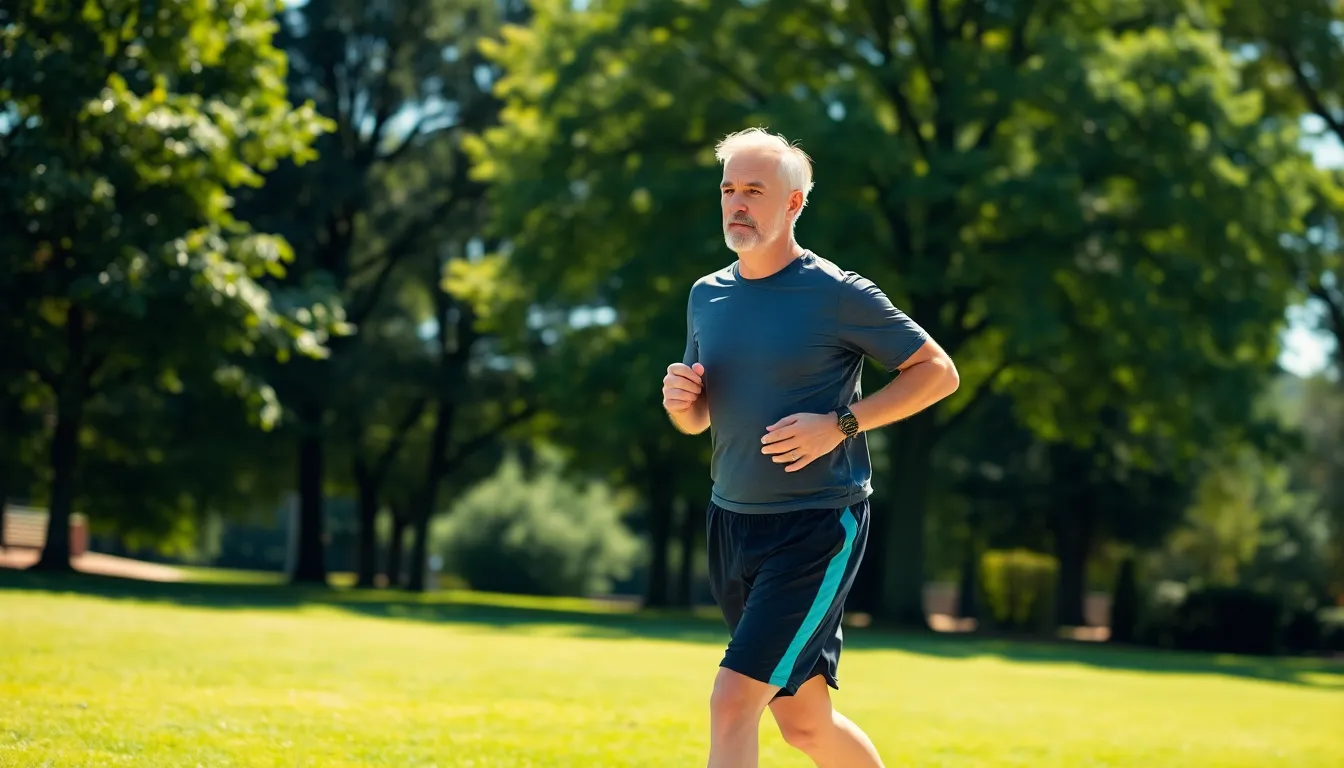
- Lack of exercise: Sedentary lifestyles contribute to slower bowel movements, leading to increased strain during defecation.
- Smoking: Tobacco use is linked to a higher incidence of diverticulitis, potentially due to its effects on gut health.
Symptoms of Diverticulitis
- Abdominal pain: Typically localized to the lower left side, pain may vary in intensity and can be severe.
- Fever: An elevated temperature often accompanies inflammation or infection.
- Nausea and vomiting: These symptoms may arise, especially in severe cases.
- Changes in bowel habits: This can include constipation or diarrhea, depending on the severity of the condition.
Diagnosis of Diverticulitis
Medical professionals often diagnose diverticulitis through imaging studies:
- CT scan: This imaging technique provides detailed images of the colon, showing the presence of diverticula and any associated inflammation.
- Ultrasound: Less commonly used, it can also reveal inflammation and complications of diverticulitis.
Understanding these aspects is crucial for recognizing diverticulitis, which enables better management of symptoms and prevention of complications.
Causes of Diverticulitis
Diverticulitis develops due to various factors that affect the colon. Understanding these causes aids in the prevention and management of the condition.
Dietary Factors
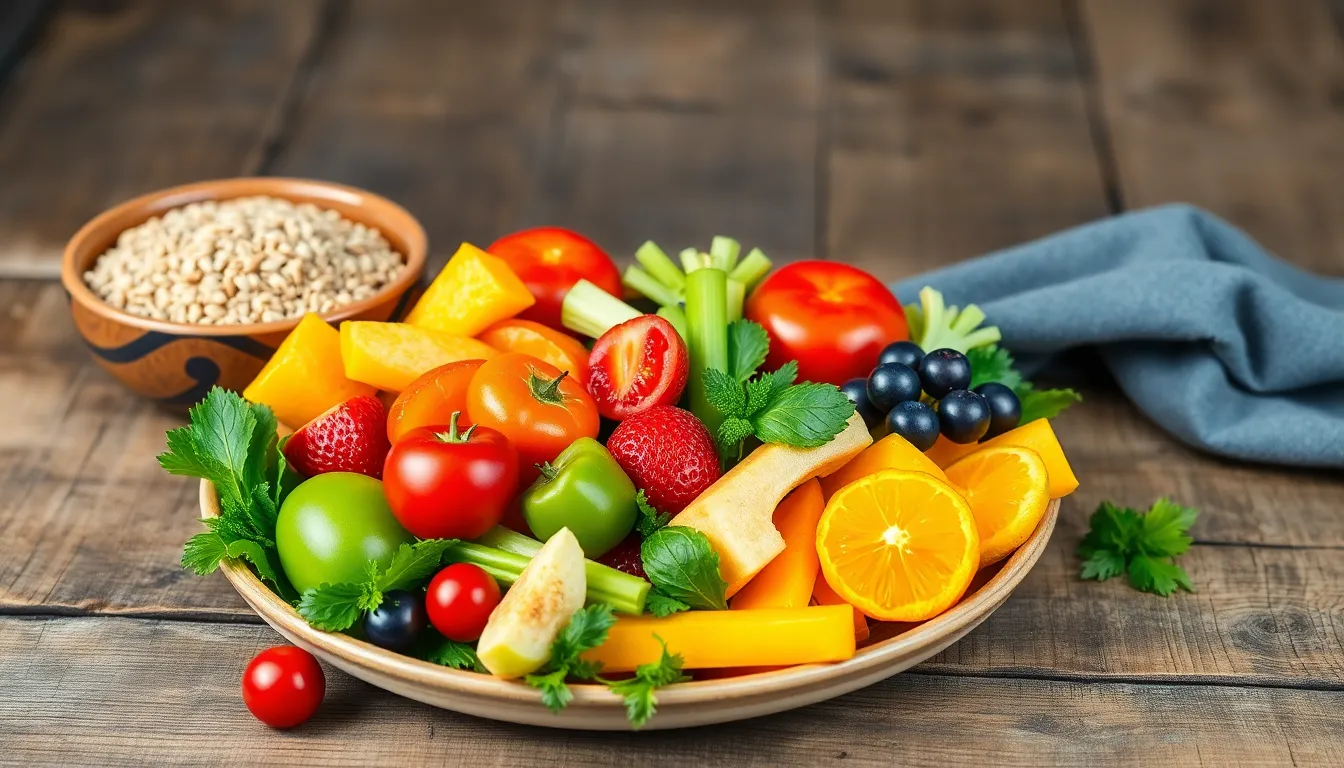
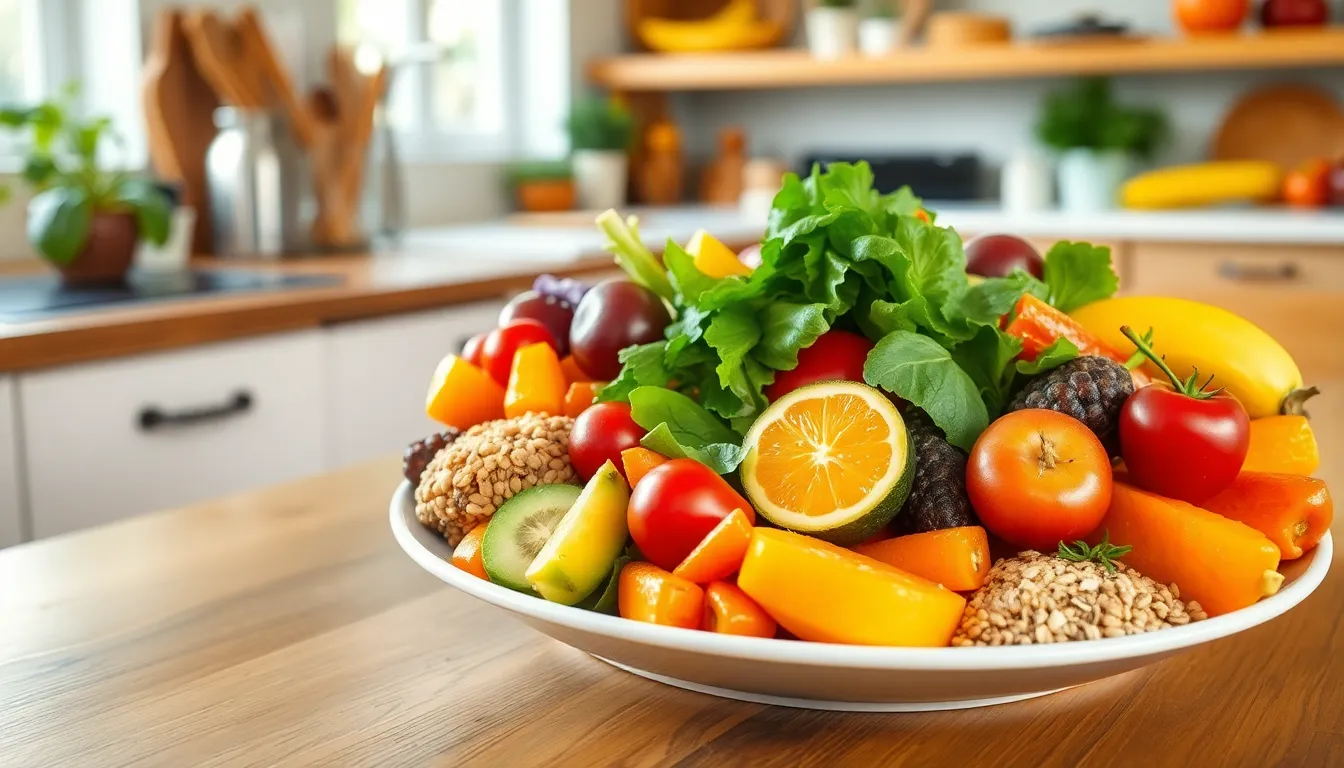
Diet significantly impacts the development of diverticulitis. A low-fiber diet increases the risk as it leads to increased pressure in the colon. Foods low in fiber, such as refined grains and red meat, contribute to this issue. Conversely, a diet rich in fruits, vegetables, and whole grains can help maintain colon health and reduce the risk of diverticulitis.
Lifestyle Factors
Lifestyle choices play a critical role in the onset of diverticulitis. Obesity heightens the risk, as excess weight adds pressure on the colon. Inactive lifestyles can also contribute by weakening digestive health. Smoking exacerbates the likelihood of diverticulitis, as it negatively affects circulation and immune response. Regular exercise, maintaining a healthy weight, and quitting smoking can mitigate such risks.
Genetic Factors
Genetic predisposition can influence the likelihood of developing diverticulitis. Family history of the condition may increase susceptibility. Studies indicate certain genetic factors can affect collagen production and tissue integrity in the colon, which can contribute to the formation of diverticula. Understanding one’s family history can provide insight into individual risk and inform preventive measures.
Symptoms of Diverticulitis
Diverticulitis manifests through various symptoms that range in intensity. Recognizing these signs early aids in effective management and treatment.
Mild Symptoms
- Abdominal pain typically localized to the lower left side.
- Bloating that leads to discomfort after eating.
- Changes in bowel habits, including constipation or diarrhea.
- Low-grade fever, usually around 100.4°F (38°C).
- Nausea without vomiting, affecting appetite.
Severe Symptoms
- Intense abdominal pain that may worsen over time.
- High fever exceeding 101°F (38.3°C), indicating potential complications.
- Vomiting that can lead to dehydration.
- Significant changes in bowel habits, such as persistent diarrhea.
- Rectal bleeding, which necessitates immediate medical attention.
Diagnosis of Diverticulitis
Accurate diagnosis of diverticulitis involves a thorough medical assessment and imaging tests to confirm the presence of diverticula and associated inflammation.
Medical Evaluation
Healthcare providers begin the diagnosis with a detailed medical history and physical examination. They assess symptoms such as abdominal pain, fever, and changes in bowel habits. Providers also inquire about dietary habits, activity levels, and any family history of diverticulitis. Physical examinations may reveal tenderness in the lower abdomen. Based on initial findings, clinicians determine the need for further testing.
Imaging Tests
Imaging tests play a crucial role in diagnosing diverticulitis. Commonly used methods include:
- CT Scan: A CT scan provides detailed cross-sectional images of the abdomen, helping visualize diverticula, inflammation, and potential complications. It is the most reliable diagnostic tool for diverticulitis.
- Ultrasound: An abdominal ultrasound uses sound waves to create images of the digestive tract. It is beneficial for patients who cannot undergo a CT scan due to allergies or pre-existing conditions.
- X-rays: While not as common, X-rays may help identify complications like perforation or abscess formation.
These imaging techniques enable healthcare providers to confirm the diagnosis accurately and guide treatment decisions based on identified complications.
Treatment Options for Diverticulitis
Treatment for diverticulitis ranges from home care to medical interventions and, in some cases, surgical options. Each treatment approach addresses the severity of symptoms and the patient’s overall health.
Home Care
Home care focuses on managing mild symptoms and includes several strategies.
- Resting: Taking time to rest reduces stress on the body and aids recovery.
- Hydration: Drinking plenty of fluids prevents dehydration and helps digestive health.
- Dietary changes: Following a bland diet temporarily, then gradually reintroducing fiber-rich foods can help alleviate symptoms. Foods like apples, spinach, and whole grains improve dietary fiber intake.
- Pain management: Using over-the-counter medications, such as acetaminophen, addresses mild pain. Avoiding nonsteroidal anti-inflammatory drugs (NSAIDs) is advisable, as they may aggravate symptoms.
Medical Treatment
Medical treatment becomes essential for more significant symptoms or recurring episodes.
- Antibiotics: Healthcare providers often prescribe antibiotics to combat infection and reduce inflammation in affected areas.
- Dietary recommendations: Providers may suggest a low-fiber diet during flare-ups to allow the colon time to heal, then transition to a high-fiber diet as symptoms improve.
- Follow-up evaluations: Regular monitoring through imaging tests ensures symptom resolution and guides further treatment if necessary.
Surgical Options
Surgical intervention might be required for severe, recurring, or complicated cases.
- Bowel resection: In this procedure, a surgeon removes the affected portion of the colon, reconnecting the healthy sections. This option is often necessary if diverticulitis leads to abscesses, perforations, or significant complications.
- Colostomy: In certain situations, a colostomy may be performed where a portion of the colon is diverted to an external pouch, allowing for healing and recovery.
- Laparoscopic procedures: Minimally invasive techniques can reduce recovery time and complications, making them favorable options for surgical intervention.
Each treatment option addresses the unique needs and conditions of the patient, emphasizing the importance of individualized care in managing diverticulitis.
Understanding diverticulitis is essential for anyone looking to maintain their digestive health. By recognizing the contributing factors such as diet and lifestyle choices, individuals can take proactive steps to minimize their risk. A high-fiber diet and regular exercise play critical roles in promoting gut health and preventing complications.
Being aware of the symptoms allows for early detection, which can lead to more effective management. Whether through dietary adjustments or medical intervention, addressing diverticulitis promptly is key. With the right knowledge and actions, individuals can navigate this condition and safeguard their overall well-being.


